









Confirmado caso de leishmaniose visceral humana na região de Marília

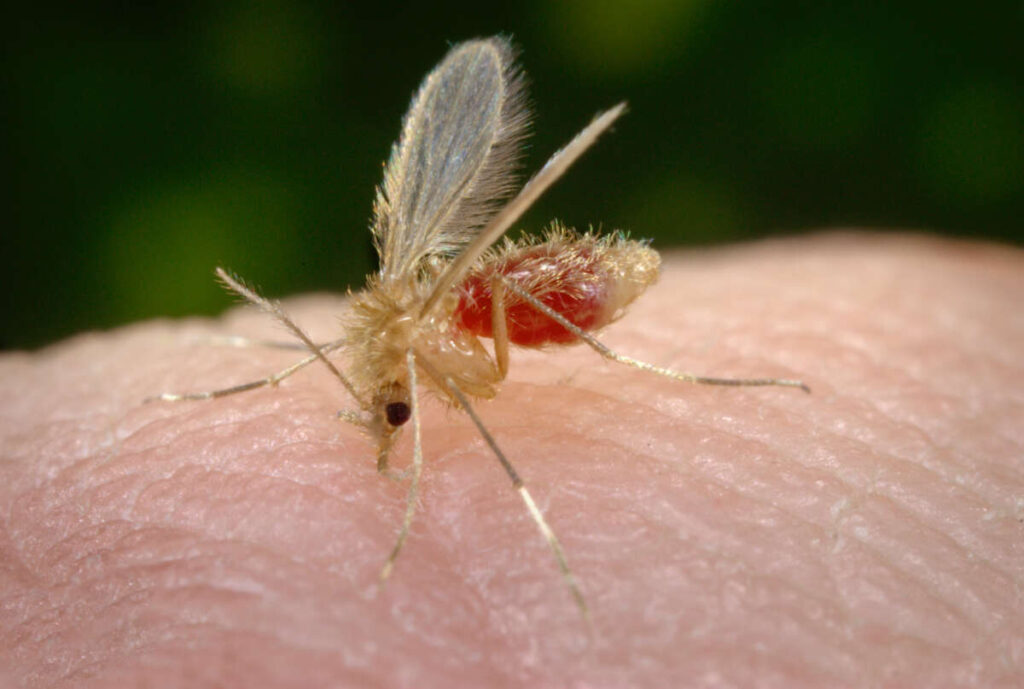
2006 Frank Collins This photograph depicts a Phlebotomus papatasi sandfly, which had landed atop the skin surface of the photographer, who’d volunteered himself as host for this specimen’s blood meal. The sandflies are members of the Dipteran family, Psychodidae, and the subfamily Phlebitaminae. This specimen was still in the process of ingestg its bloodmeal, which is visible through its distended transparent abdomen. Sandflies such as this P. papatasi, are responsible for the spread of the vector-borne parasitic disease Leishmaniasis, which is caused by the obligate intracellular protozoa of the genus Leishmania. Leishmaniasis is transmitted by the bite of infected female phlebotomine sandflies, injecting the infective stage (i.e., promastigotes) from their proboscis during blood meals. Promastigotes that reach the puncture wound are phagocytized by macrophages ,and other types of mononuclear phagocytic cells, and inside these cells, transform into the tissue stage of the parasite (i.e., amastigotes), which multiply by simple division and proceed to infect other mononuclear phagocytic cells. Parasite, host, and other factors affect whether the infection becomes symptomatic and whether cutaneous or visceral leishmaniasis results. Sandflies become infected by ingesting infected cells during blood meals. In sandflies, amastigotes transform into promastigotes, develop in the gut, (in the hindgut for leishmanial organisms in the Viannia subgenus; in the midgut for organisms in the Leishmania subgenus), and migrate to the proboscis. See PHIL 3400 for a diagram of this cycle.

Paciente de 91 anos recebeu alta após tratamento. Secretaria de Saúde realiza investigação epidemiológica no centro da cidade

A Secretaria de Saúde de Tupã, na região de Marília, confirmou o diagnóstico de leishmaniose visceral em um homem de 91 anos. O caso foi notificado em 21 de janeiro e a confirmação laboratorial foi emitida pelo Instituto Adolfo Lutz na quarta-feira, dia 6 de maio. Após o período de tratamento, o paciente apresentou melhora e recebeu alta médica.

Equipes de saúde iniciaram o monitoramento epidemiológico na área central, local provável da transmissão, para identificar fatores de risco e orientar moradores. A leishmaniose visceral é uma doença infecciosa transmitida pela picada do mosquito-palha que atinge órgãos internos como baço e fígado.

A Prefeitura de Tupã recomenda que a população mantenha os quintais limpos e elimine acúmulo de matéria orgânica para evitar a reprodução do vetor. Sintomas como febre persistente, anemia e aumento do volume abdominal devem ser avaliados imediatamente em unidades de saúde.


Compartilhe esse conteúdo

LEIA
mAIS